Operations
Reality is the first responsibility of leadership.
When people can speak openly and leaders remain curious, the organization sees problems earlier and responds with greater clarity.
A healthy organization allows direction to travel clearly from the top and honest information to travel freely from the front line. When both move without distortion, leaders can make better decisions and people can act with greater confidence.
Heavy industry shaped my foundation. Aerospace manufacturing continues the journey. In both, the discipline remains the same: understand the reality, create clarity and turn decisions into execution.
“The further leadership moves from the shop floor, the easier it becomes to lead an organization that exists only in reports.”
Organizational culture determines how much of the truth reaches the top. People must feel able to share concerns, challenge assumptions and describe what is actually happening—without hesitation.
Leadership presence matters. A suit should never become a barrier between a leader and the operation. Sometimes a brief, honest conversation on the shop floor can reveal what another hour in the meeting room cannot.
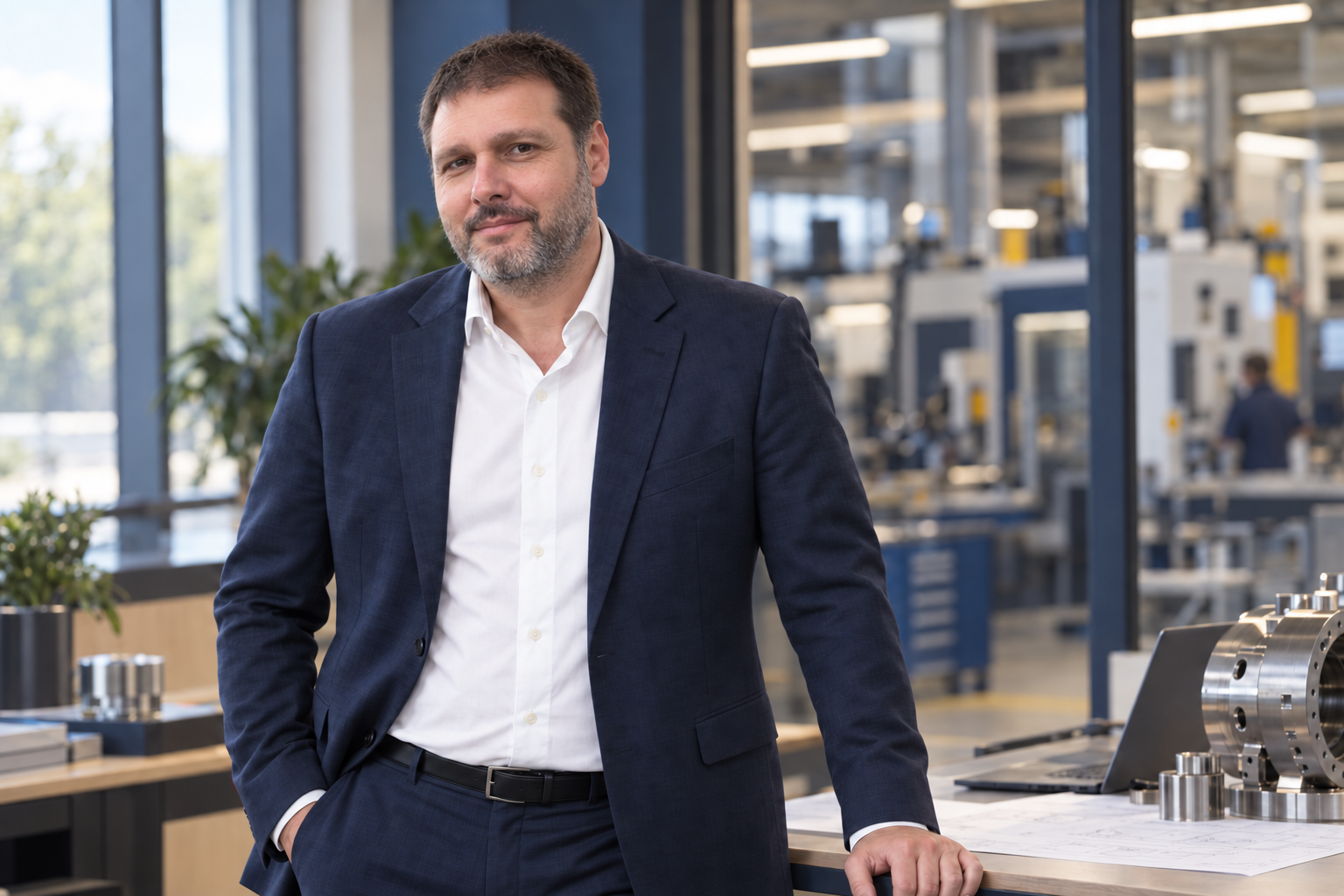
Reality is the first responsibility of leadership.
When people can speak openly and leaders remain curious, the organization sees problems earlier and responds with greater clarity.
Experience is where complexity becomes judgment.
Methods and qualifications create a strong foundation. Practical experience teaches us how to decide when conditions are imperfect and the consequences are real.
Real transformation happens while the work continues.
Change earns trust when it respects the operation, supports the people doing the work and creates progress that can be sustained.
A number is not an answer. It is an invitation to look closer.
The value of a deviation is not in explaining the past. It is in understanding the process well enough to make the next result better.
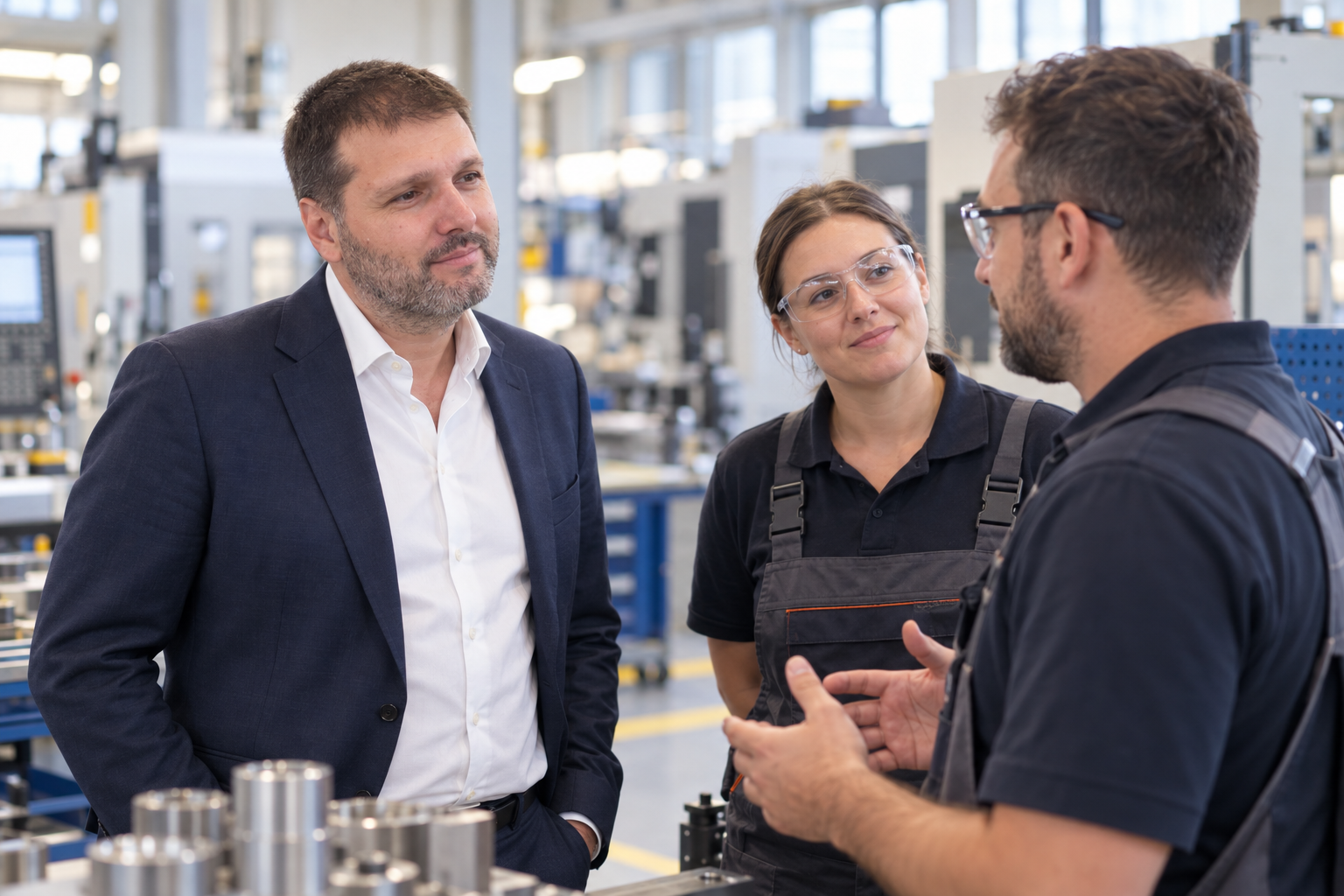
Leading a plant means seeing the organization as one connected system. Operations, engineering, quality, supply chain, maintenance, finance and people must move in the same direction for performance to become sustainable.
Leading multidisciplinary industrial investments taught me that the most difficult part of a project is rarely one technical discipline. It is creating alignment across civil, mechanical, electrical and automation work while keeping the final operational purpose in view.
The foundation was built close to technology and execution: planning investments, coordinating contractors, solving problems, commissioning equipment and turning completed projects into reliable operations.
If you are building, transforming or rethinking an industrial organization, I am always open to an honest exchange of ideas.